
A Simple Guide to What Can and Can’t Go in Skip Hire Near Me
Hiring a skip is one of the most efficient ways to manage waste, whether you’re clearing out your home, working on a construction site, or relocating a business. But one of the most misunderstood aspects of the process is knowing exactly what you can and can’t throw in a skip.
Improper disposal not only risks extra charges—it can delay collections, breach waste regulations, and even result in fines. Whether you’re a homeowner, landscaper, event organiser, or builder searching for reliable skip hire near me, knowing what’s allowed is essential to keeping your project on track and within budget.
This guide breaks down the key dos and don’ts of skip contents, so you can load your skip safely and legally.
What You Can Safely Put in a Skip
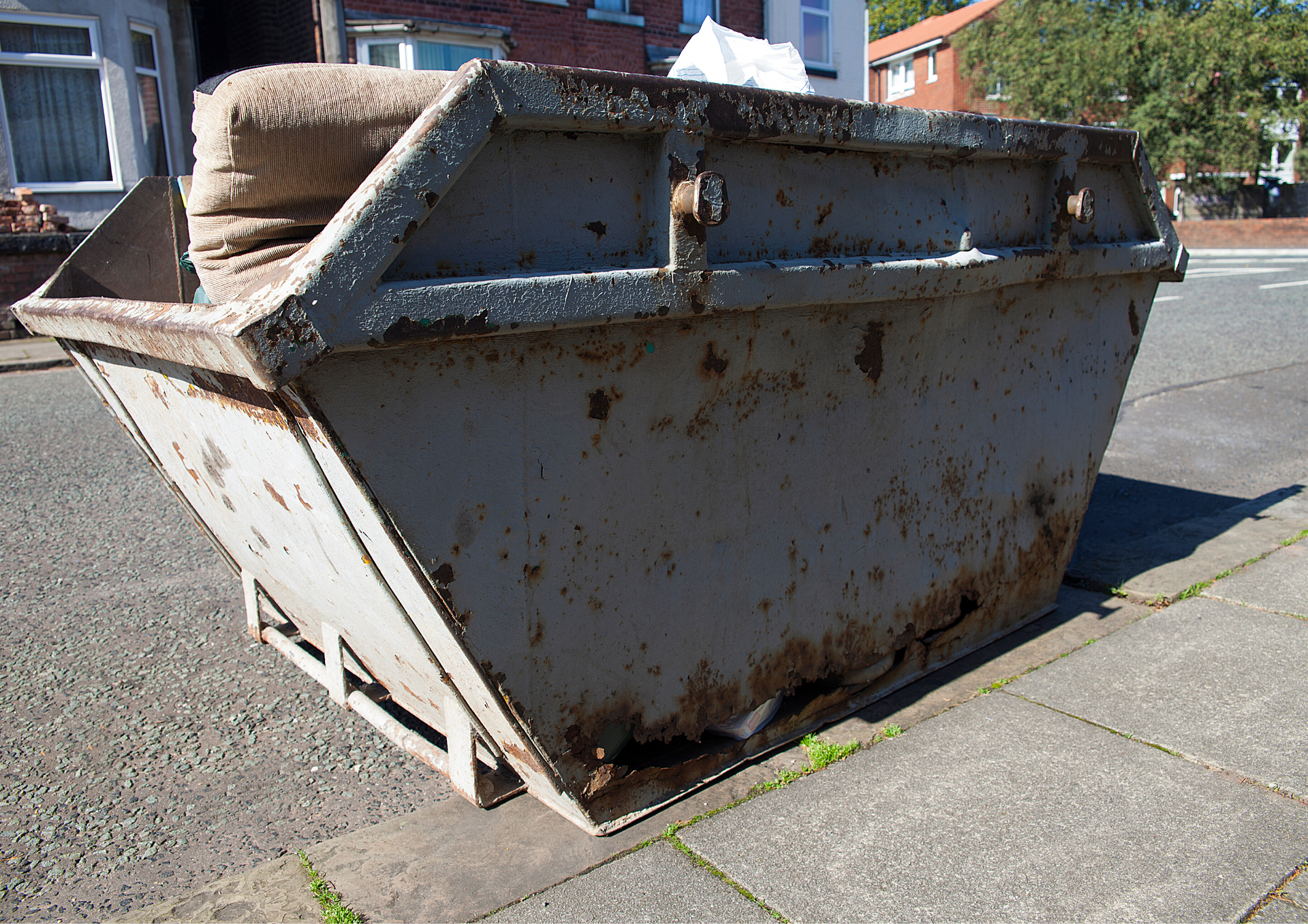
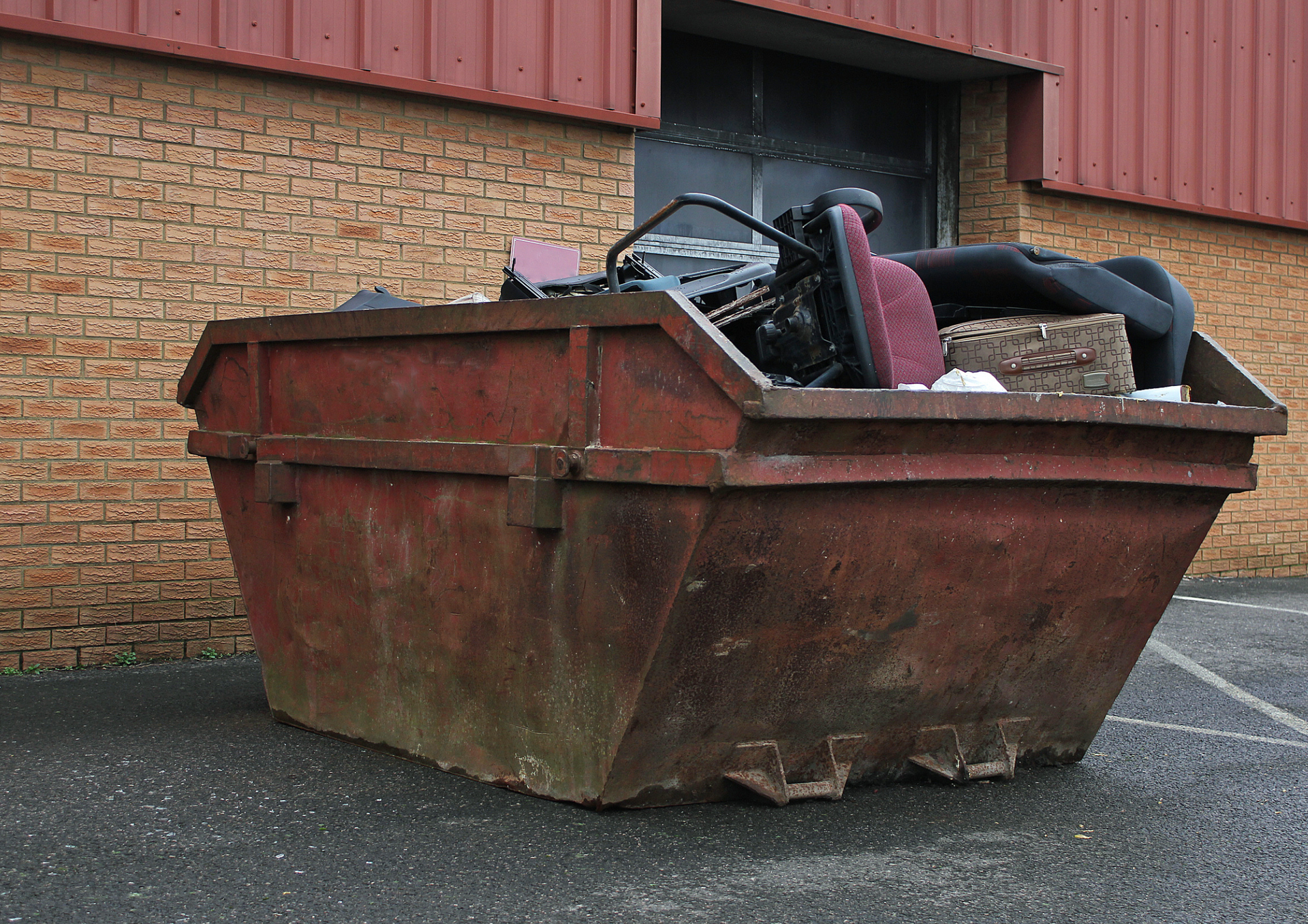
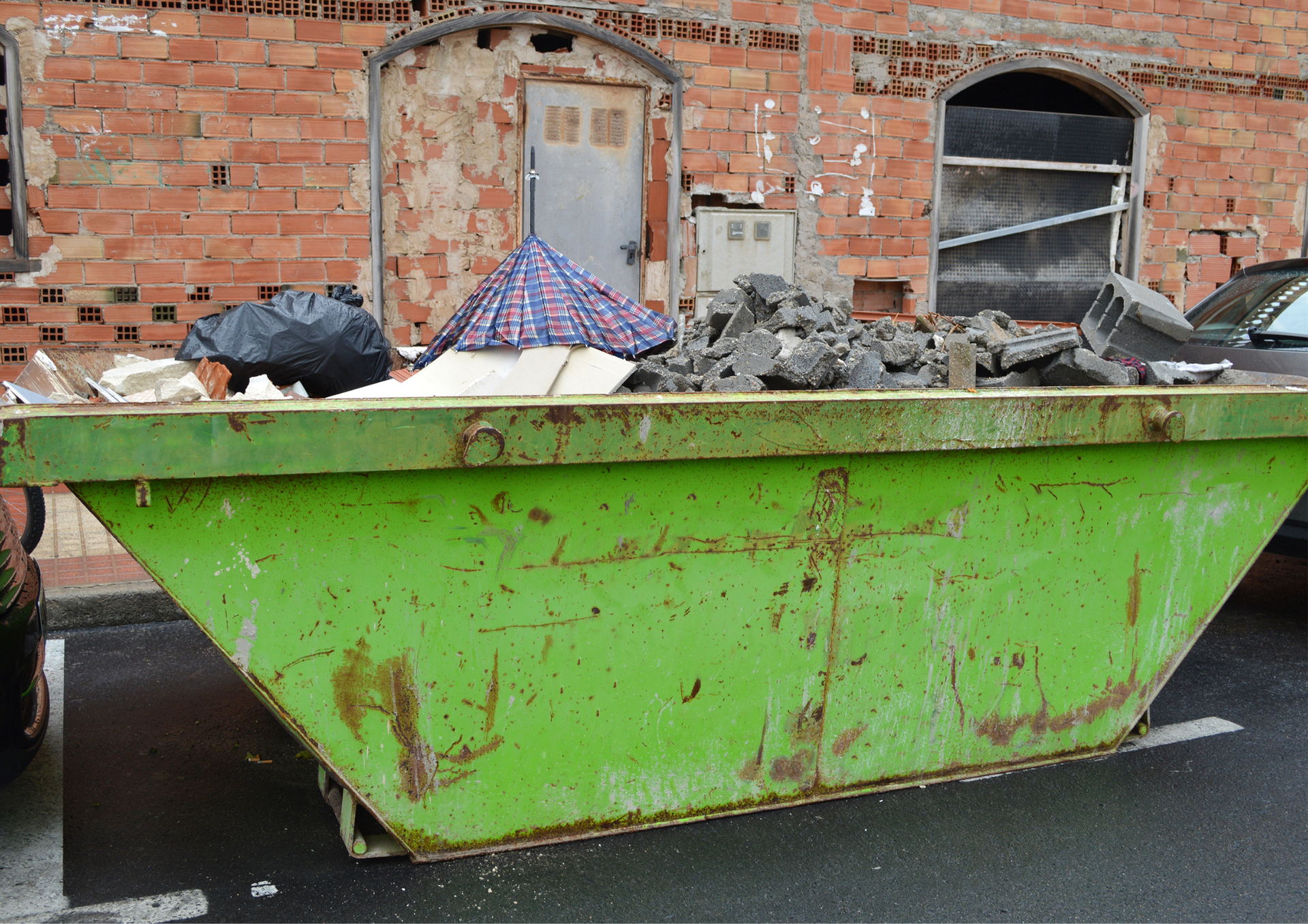
There are plenty of everyday materials and debris types that are completely acceptable to place in a skip. These include general household, garden, and construction waste commonly generated during renovations or cleanouts.
Acceptable items include:
- Furniture such as sofas, tables, and wardrobes
- Non-electrical household items
- Wood and timber
- Bricks, rubble, tiles, and concrete
- Garden waste like soil, leaves, branches, and grass cuttings
- Packaging including cardboard and plastic (if not contaminated)
- Bathroom suites (excluding electronics or asbestos-related materials)
If you're carrying out a garden overhaul or renovating your home and looking for skips near me, these are exactly the types of waste your skip is designed to handle.
While it might seem obvious, it’s worth checking with your provider before loading to ensure everything you're disposing of is approved. Misunderstandings often happen with mixed materials, and it’s better to double-check upfront.
What You Can’t Put in a Skip
While skips are suitable for many waste types, there are strict limitations on what can legally and safely be placed inside. Many customers run into issues by unknowingly including prohibited items, resulting in additional handling charges or delays in collection.
Prohibited items typically include:
- Asbestos
- Paint, solvents, and chemicals
- Gas cylinders
- Electrical appliances (e.g. fridges, TVs, microwaves)
- Batteries
- Medical or biological waste
- Plasterboard (in
general waste skips)
- Fuel, oils, or other flammable substances
These materials pose environmental hazards or require specialist handling. That’s why even a small amount of the wrong item can affect the entire skip load. If you're searching for skip bins near me, always confirm what’s restricted before you begin filling your skip. Some providers offer alternative services for disposing of hazardous or specialist waste streams.
It’s also essential to avoid overfilling or stacking prohibited items on top, hoping they’ll be missed. All skips are inspected before collection, and unauthorised waste may prevent removal entirely.
Grey Areas and Misunderstood Materials
Some waste types fall into a grey area, where disposal rules vary depending on your provider or local authority. These often cause confusion and are worth clarifying in advance.
For example, plasterboard is allowed in some skips if it's bagged and separated, but not in mixed waste loads. Mattresses may be accepted, but often incur a surcharge due to recycling complexity. Tyres, while not banned everywhere, often require separate disposal and additional fees.
Construction firms and businesses searching for the cheapest skip hire near me often overlook these conditions, assuming all debris is accepted. But misunderstanding the rules can lead to unexpected charges or even legal repercussions, especially if you’re managing waste in volume.
Tips for Proper Loading and Compliance
Knowing what can and can’t go in a skip is just the first step. How you load it also plays a big part in ensuring safe, compliant, and efficient skip. Overloaded skips or poorly packed waste can delay collection or even pose a safety hazard during transport.
Always aim to load heavier items at the bottom and lighter ones on top. Break down bulky materials to save space and avoid gaps. And crucially, never load above the fill line—skips loaded beyond capacity may not be collected.
If you’re comparing skip hire prices near me, remember that avoiding prohibited items and loading correctly are both part of getting good value. Cutting corners or guessing what’s allowed can cost more in the long run.
Understanding what can and can’t go into a skip is essential for a smooth, cost-effective waste removal process. While skips are versatile, they aren't a catch-all solution. Certain materials—especially hazardous, electronic, or chemical—must be handled separately.
By checking guidelines ahead of time and being clear about what you’re disposing of, you can avoid collection issues, added charges, and potential fines. Whether you’re clearing out your home, managing a building site, or organising waste from an event, proper skip use ensures your project stays on track.
Next time you search for skip hire near me, make sure you know what’s allowed before your skip arrives. It’ll save time, reduce risk, and keep your project stress-free.
At
Skip Hire Harlow, we take pride in delivering reliable, straightforward skip services tailored to homeowners, businesses, and contractors throughout Harlow and surrounding areas.
We offer expert advice on what can and can’t go into your skip, helping you avoid costly mistakes and unnecessary delays. Whether you're hiring for a one-off cleanout or a long-term construction project, we’ll guide you through every step—from selecting the right size to ensuring safe and legal disposal.
With competitive rates and flexible hire options, our goal is to make waste removal as simple and efficient as possible. As one of the most trusted names in skip hire near me, we’re committed to responsible waste management and outstanding customer support.
New update on X: A simple guide to what can and can’t go in
skip hire near me!
You might also like